Turmeric in Coconut Oil Could be Acne Remedy
A new study shows that curcumin and lauric acid, found in turmeric and coconut oil, are effective in treating acne.



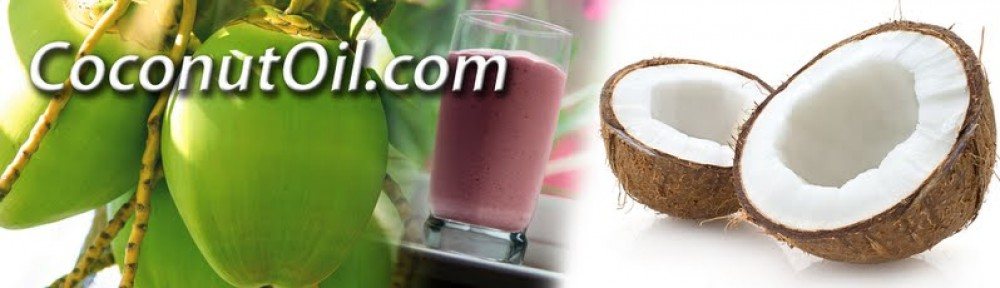
A new study shows that curcumin and lauric acid, found in turmeric and coconut oil, are effective in treating acne.
A growing body of research suggests there may be a powerful connection between the foods you eat and your risk of Alzheimer’s and dementia, via similar pathways that cause type 2 diabetes. Some have re-named Alzheimer’s as “type 3 diabetes.”
Coconut oil and avocado are a great team when it comes to natural skincare. Stylist, Kelly Russell, employs coconut oil in her daily life and says they leave her skin glowing!
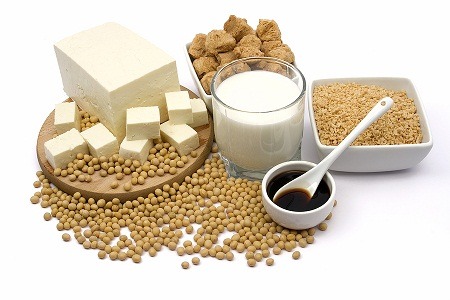
Over 90% of soy is genetically modified, contains toxic phytochemicals, is linked to digestive distress, immune system breakdown, loss of libido, and more. Yet, governments seem to think that’s not a problem.
Research shows that coconut oil contains unique fatty acids that stimulate metabolism, supply the body with tremendous energy, and promote weight loss.
Elaine Cantin was diagnosed with breast cancer and used a modified ketogenic diet to cure herself. Elaine has been given a clean bill of health as she is considered in ‘complete’ remission.
After only 4 days on the oil, she is happy to let me leave the house because she is becoming more AWARE of things.
Cholesterol-lowering medications do not significantly decrease your risk of atherosclerosis, heart attacks or strokes. Conventional medicine has been hijacked to believe that poisoning the enzyme that makes cholesterol lowers the risk for heart disease.
The premise is that since cancer cells need glucose to thrive, and carbohydrates turn into glucose in your body, then cutting out carbs literally starves the cancer cells. The diet calls for eliminating carbohydrates, replacing them with healthy fats and protein.
Take a look at the ways in which coconut oil has been used for non-food purposes traditionally in Kerala, India.
A 98-year-old researcher argues that, contrary to decades of clinical assumptions and advice to patients, dietary cholesterol is good for your heart, unless that cholesterol is unnaturally oxidized.
The National Heart, Lung and Blood Institute will soon be updating their recommendations for “healthy” cholesterol numbers. Will there be any significant changes to their cholesterol guidelines?
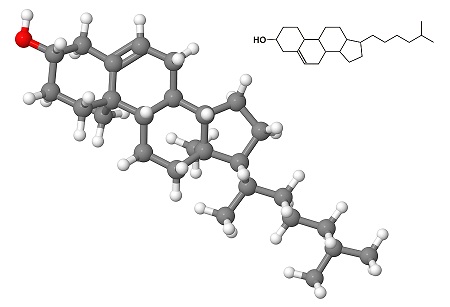
We keep hearing about different types of cholesterol. It’s all nonsense. There’s only one cholesterol molecule, so there’s only one type of cholesterol. What started this nonsense of types of cholesterol?
Since the early 1980′s the USDA Dietary Guidelines for Americans have urged trusting Americans to eat a low-fat high-carbohydrate diet for their health and weight control. Now, obesity rates have shot up to 30%, and more than 70% of Americans are overweight.
A study concluded that 30% of heart attacks, strokes and deaths from heart disease can be prevented in people at high risk if they switch to a Mediterranean diet rich in olive oil, nuts, beans, fish, fruits and vegetables, and even drink wine with meals.
The research against cholesterol-lowering statin drugs continues to mount, as does the evidence that lowering ones cholesterol via medication has serious side effects, such as Alzheimer’s disease.
British Medical Journal study shows replacing dietary saturated fats with omega-6 PUFAs increased all-cause mortality, cardiovascular mortality and mortality from coronary heart disease.
Will the American Heart Association now change their advice, since that advice appears to be leading people to make bad dietary oil choices that is contributing to heart disease?
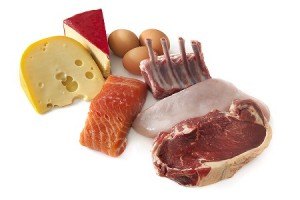
Twenty years ago, doctors told us to stay away from high-fat foods like eggs, bacon, and butter because they raised cholesterol and could lead to heart disease. But today, that is all changing.
Coconut flour is the fiber from the coconut meat after almost all the oil has been extracted to make coconut oil. It's gluten free, making it a suitable wheat flour substitute for those with gluten and wheat allergies.